

Starting a business is an exciting journey, but one of the most critical decisions you will make is choosing the right business structure. The structure you select affects everything from day-to-day operations and taxes to how much of your personal assets are at risk. Understanding the various options and their implications is essential for setting up your business for success. Here’s a comprehensive guide to help you navigate this important choice.
- Understand the Common Types of Business Structures
Before diving into the decision-making process, it’s important to understand the most common types of business structures:
- Sole Proprietorship: The simplest and most common structure for a single-owner business. The owner has complete control but also assumes unlimited personal liability.
- Partnership: A business owned by two or more people. This structure allows shared decision-making and responsibility, but partners are personally liable for business debts.
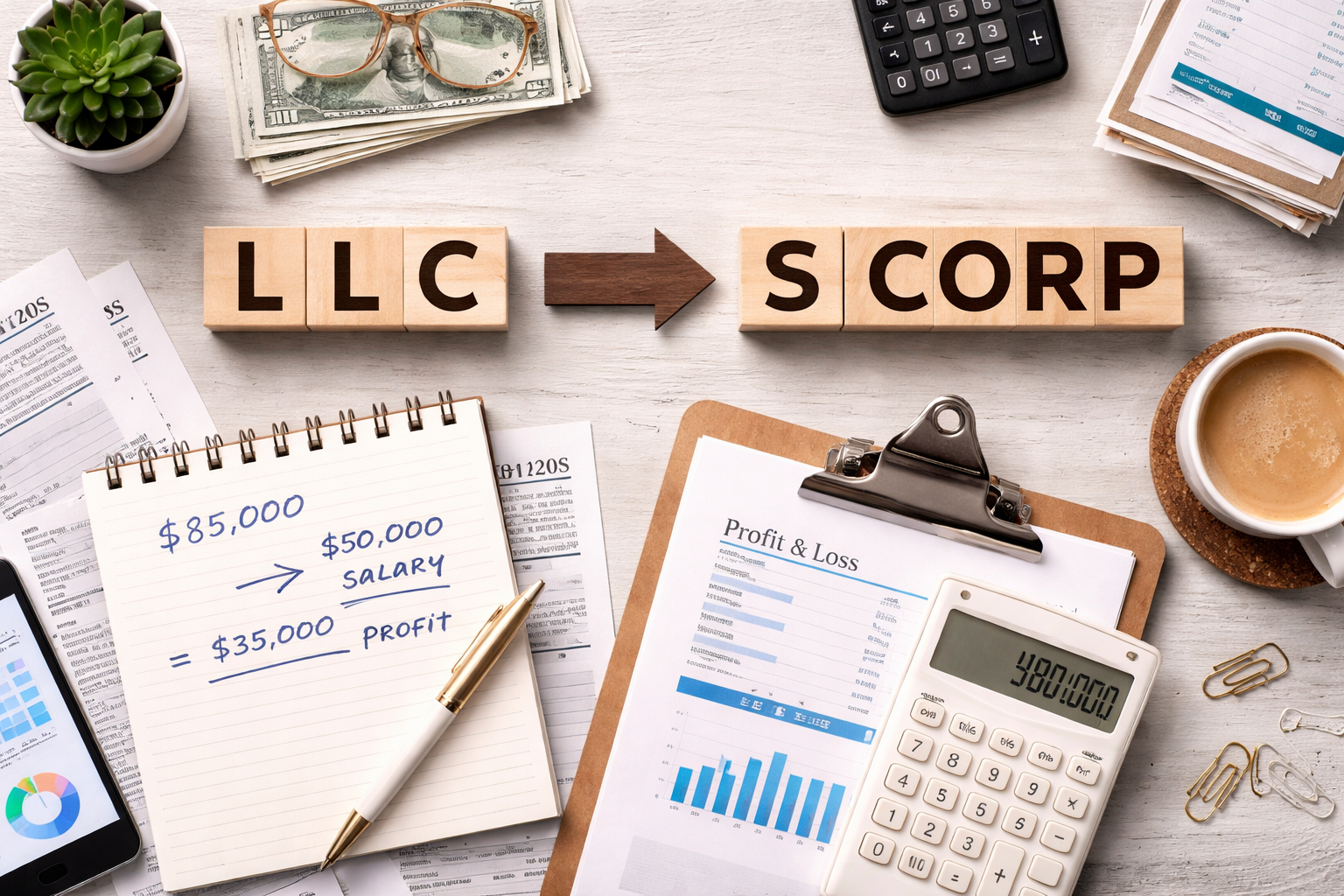
- Limited Liability Company (LLC): Combines the benefits of a corporation and a partnership. Owners (called members) have limited liability while enjoying the flexibility of a partnership.
- Corporation: A more complex structure that is a separate legal entity from its owners. It offers the most protection from personal liability but comes with increased regulations, taxes, and administrative requirements.
- S Corporation: A special type of corporation designed to avoid double taxation. Profits and losses pass through to the shareholders’ personal tax returns, while still offering some liability protection.
- Nonprofit Organization: Designed for businesses that operate for charitable, educational, religious, or other purposes. Profits are not distributed to owners but are reinvested into the organization.
- Consider Your Liability Risk
One of the most significant factors in choosing a business structure is liability. If your business involves a high risk of lawsuits or substantial debt, structures that offer personal liability protection—like an LLC or a corporation—may be more suitable. For businesses with low risk, such as consulting or freelance services, a sole proprietorship or partnership may suffice.
- Evaluate Tax Implications
Different business structures come with different tax obligations. Sole proprietorships, partnerships, and S corporations allow profits to pass directly to owners’ personal tax returns, avoiding double taxation. However, C corporations face double taxation: once at the corporate level and again on dividends paid to shareholders. LLCs provide flexible tax options, allowing members to choose how they want to be taxed—either as a sole proprietorship, partnership, or corporation.
Consider consulting with a tax professional to understand how each structure will affect your business’s tax situation.
- Think About Control and Management
Your desired level of control and involvement in the business should also influence your decision. Sole proprietorships and partnerships offer the most direct control, while corporations have a more formal management structure, requiring a board of directors and officers. LLCs offer a flexible management structure, allowing all members to participate equally or to designate specific members to manage.
- Consider Your Future Needs
It’s essential to think about where you see your business going in the future. For instance, if you plan to raise capital or bring in additional investors, a corporation may be the best choice, as it allows for the issuance of stock. If you expect your business to remain small and closely held, an LLC might offer the best balance of flexibility and liability protection.
- Assess Administrative Requirements
Some business structures have more rigorous administrative requirements than others. Sole proprietorships and partnerships have minimal paperwork and regulatory requirements, while corporations and LLCs must adhere to more formal processes, such as holding annual meetings, maintaining detailed records, and filing specific documents with state and federal agencies.
If you prefer to keep things simple and avoid extensive administrative tasks, you may want to opt for a simpler structure like a sole proprietorship or LLC.
- Seek Professional Advice
While this guide provides a good starting point, choosing the right business structure is a complex decision that can have long-term implications for your business. It’s always a good idea to consult with legal and financial professionals who understand the specifics of your situation. They can help you weigh the pros and cons of each structure and determine which one aligns best with your goals, risks, and operational needs.
- Revisit Your Decision Periodically
Remember, your business structure isn’t set in stone. As your business grows and evolves, your needs may change. It’s important to review your business structure periodically and consider adjustments if necessary.
Conclusion
Choosing the right business structure is a crucial step in building a successful business. By carefully considering factors like liability, taxes, control, future plans, and administrative requirements, you can select a structure that best fits your business’s unique needs. Take your time, do your research, and consult with professionals to make the most informed decision possible.



No comment yet, add your voice below!